

Home/Dental Implants
Tooth replacement
Dental Implants in Woodstock
Dental implants replace the roots of missing teeth and support custom-made crowns that restore appearance and function.
What Is a Dental Implant?
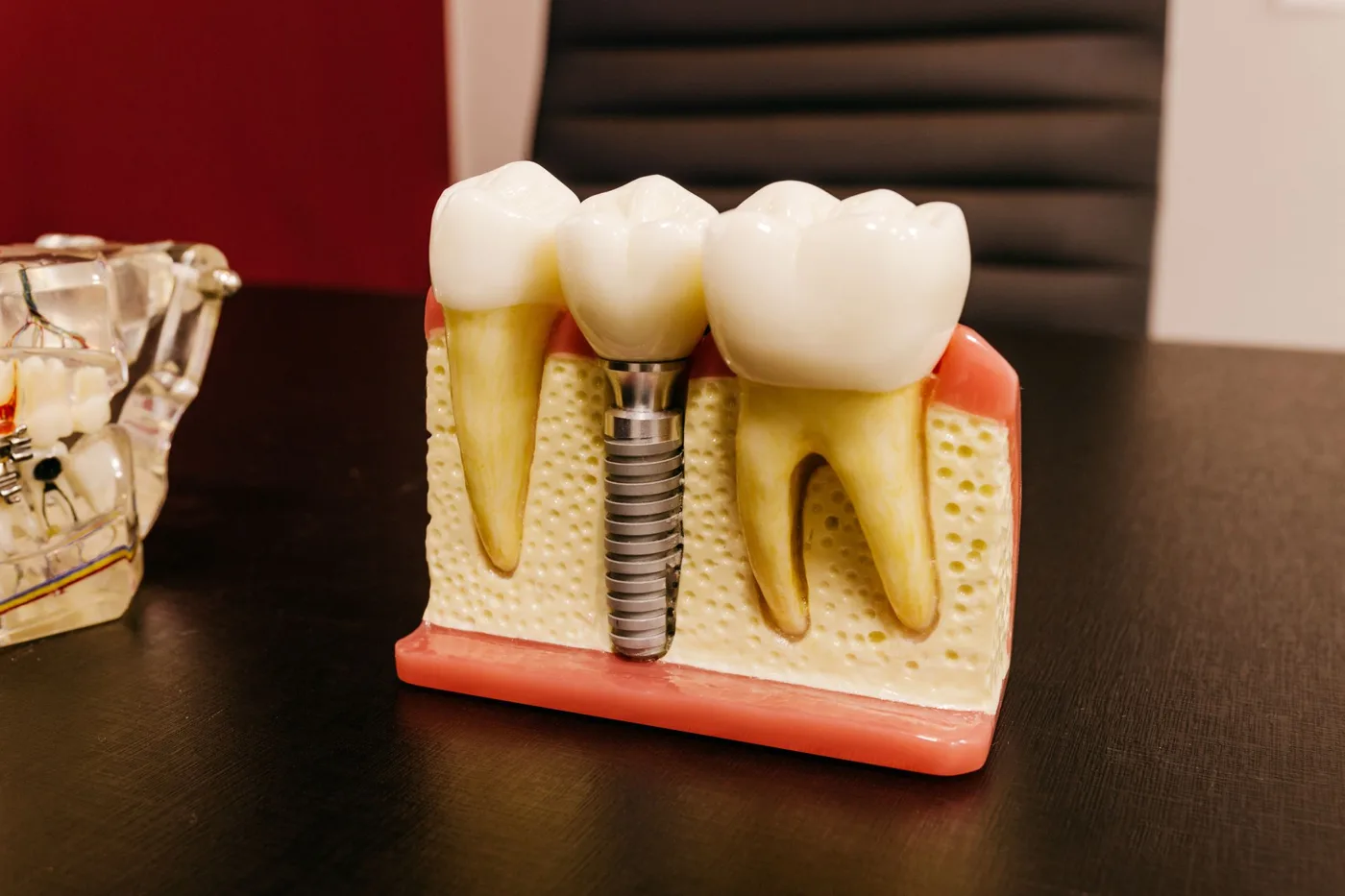
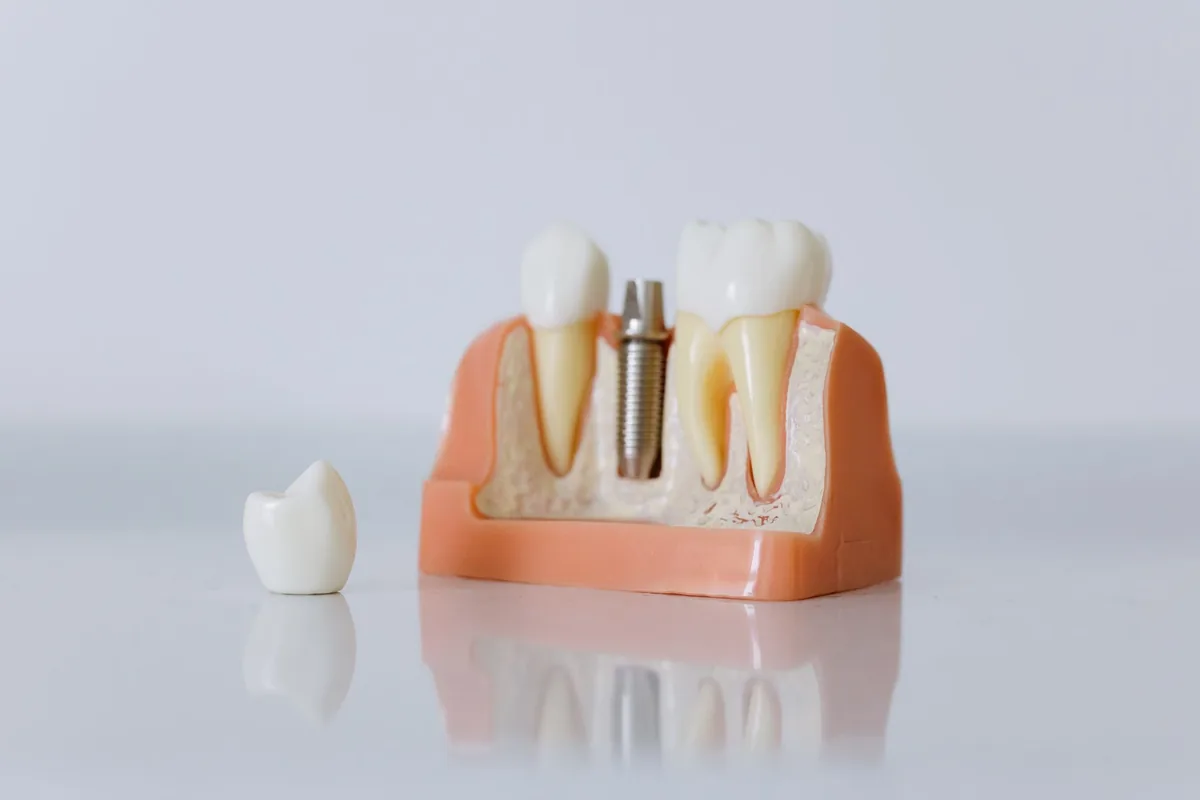
A dental implant is a small post placed in the jawbone to replace the root of a missing tooth. Once the implant has bonded with the surrounding bone, it supports a custom-made crown that restores the appearance and function of the missing tooth.
Implants can replace a single tooth or several missing teeth, and unlike a bridge, they do not rely on the neighbouring teeth for support.
Who Is a Candidate for Dental Implants?
Dental implants may be recommended for patients who are missing one or more teeth and are in good general and oral health.
Suitable candidates typically have:
- Healthy gums, or gum disease that has been treated
- Sufficient jawbone to support an implant
- General health suitable for a surgical procedure
- A commitment to daily oral hygiene and regular dental visits
Smoking and certain medical conditions can affect healing, and these factors are reviewed before treatment is planned. Additional preparation may be required in some cases and is discussed during the assessment.
Benefits of Dental Implants
An implant and its crown together replace the entire missing tooth, from the root to the chewing surface.
Dental implants can help to:
- Restore the ability to chew and speak comfortably
- Replace a tooth without altering the neighbouring teeth
- Prevent neighbouring teeth from shifting into the gap
- Maintain the jawbone where a tooth has been lost
- Restore the natural appearance of the smile
Dental implants
How a Dental Implant Replaces a Tooth
An implant post sits in the jawbone in place of the tooth root, and a custom-made crown is attached on top to restore the visible tooth.
What to Expect During Treatment
Implant treatment is completed in stages and typically takes several months, allowing time for healing between stages.
Assessment and planning
The gums, jawbone and neighbouring teeth are examined, any required x-rays are taken, and the treatment plan, timeline and costs are reviewed.
Implant placement
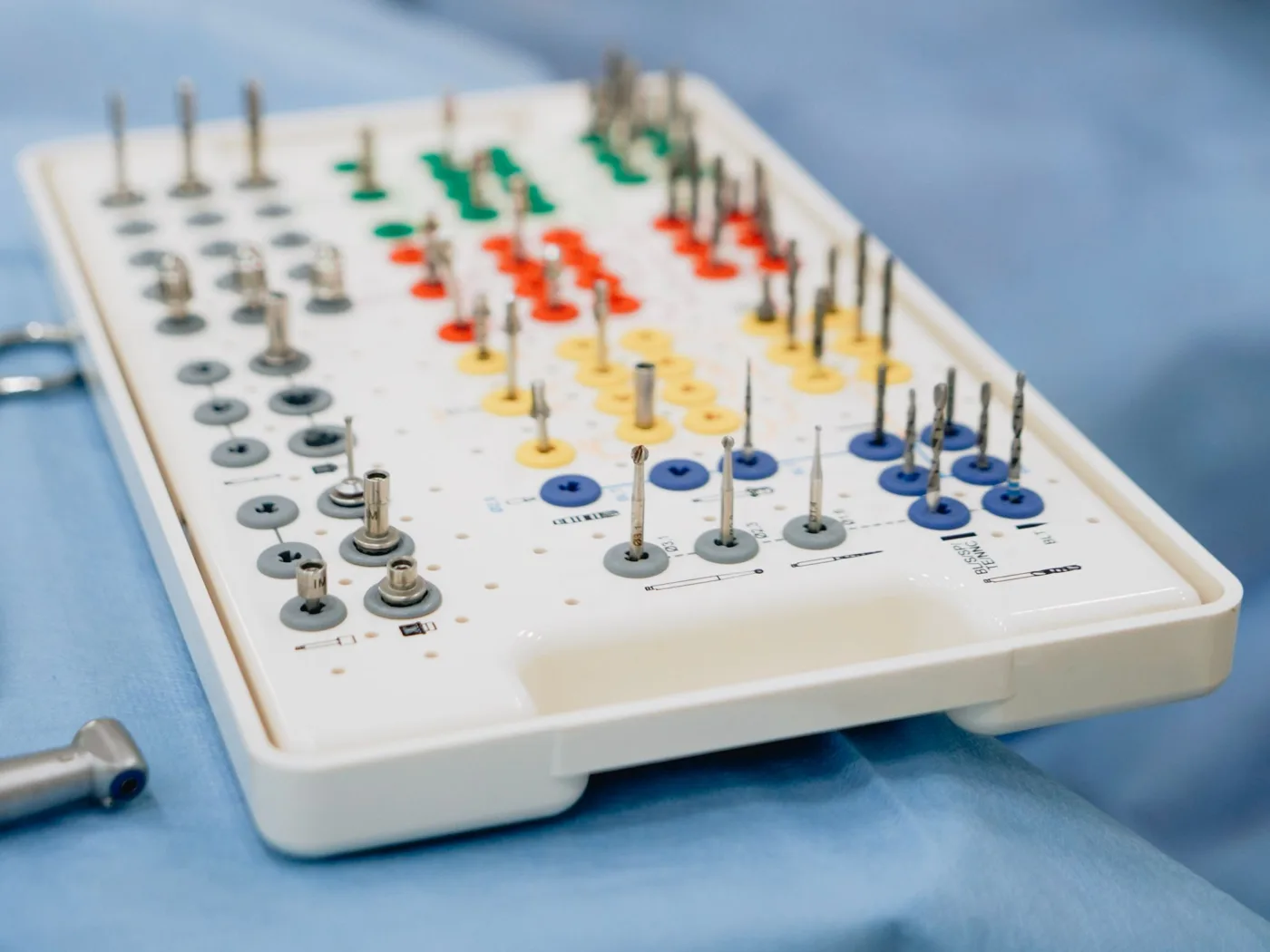
The implant is placed in the jawbone under local anesthetic, and the gum is allowed to heal around it.
Healing period
Over the following months, the implant bonds with the surrounding bone to form a stable foundation for the new tooth.
Crown placement
Once the implant is stable, a custom-made crown is attached, and the bite is checked and adjusted.
Tooth Extraction Before an Implant
A tooth that cannot be saved may need to be removed before an implant is placed. Extractions are performed at our Woodstock office, where oral surgery is provided by Dr. John McIntosh, an oral and maxillofacial surgeon.
The timing of implant treatment after an extraction depends on how the area heals and is discussed during the assessment.
Recovery and Long-Term Care
Some swelling and tenderness are common for a few days after an implant is placed and can typically be managed with over-the-counter pain relief.
Once treatment is complete, an implant is cared for in much the same way as a natural tooth. An implant cannot decay, but the surrounding gums and bone can become inflamed without good daily care.
Recommended care includes:
- Brushing twice a day and flossing daily
- Cleaning around the implant with an interdental brush where recommended
- Avoiding biting on hard objects such as ice or pens
- Attending regular check-ups and cleanings
- Wearing a night guard where teeth grinding is a concern
Alternatives to Dental Implants
A dental implant is one of several options for replacing missing teeth. The most suitable option depends on the number of missing teeth, the health of the neighbouring teeth and gums, and the patient's preferences.
- Dental bridge
- A fixed replacement tooth supported by crowns on the natural teeth on either side of the gap.
- Partial denture
- A removable appliance that replaces one or more missing teeth and fits around the remaining natural teeth.
- Complete denture
- A removable appliance that replaces all of the teeth in the upper or lower jaw.
Each option, including its advantages, limitations and costs, is explained during the consultation so patients can make an informed decision.
Vansittart Dental, Woodstock
Book a Consultation
Patients missing one or more teeth are welcome to book a consultation to discuss dental implants and other replacement options. The treatment plan, timeline and costs of each stage are explained before any treatment begins.
Frequently Asked Questions
Answers to common questions about dental implants. For anything not covered here, please contact our office.
Am I a Candidate for Dental Implants?
Suitability depends on gum health, the amount of jawbone available and overall medical health. An examination during the consultation determines whether an implant is an appropriate option.
Is Implant Treatment Painful?
The implant is placed under local anesthetic, so the area is numb during the procedure. Some tenderness and swelling afterwards are common and typically settle within a few days.
How Long Does Implant Treatment Take?
Implant treatment typically takes several months, because the implant needs time to bond with the jawbone before the crown is attached. The expected timeline is discussed during the consultation.
How Long Do Dental Implants Last?
With good daily care and regular dental visits, dental implants can last for many years. Longevity depends on oral hygiene, general health and the condition of the surrounding gums and bone.
What If a Tooth Needs to Be Removed First?
Extractions are performed at our Woodstock office, where oral surgery is provided by Dr. John McIntosh, an oral and maxillofacial surgeon. The timing of implant treatment after an extraction is discussed during the consultation.
How Much Do Dental Implants Cost?
The cost depends on the number of teeth being replaced and the treatment each case requires. The costs of each stage are explained before treatment begins.
Related Services
Crowns and Bridges
Custom restorations that repair damaged teeth and replace missing teeth.
Learn moreDentures
Removable complete and partial dentures that replace missing teeth and restore function.
Learn moreOral Surgery
In-house surgical care by an oral and maxillofacial surgeon, with sedation options.
Learn more